
Buying artwork is only one part of building a collection. Sometimes, there comes a point when a painting, sculpture, or other piece no longer fits your collection. You may want to sell it, donate it, or replace it with something that better matches your goals. This process is known as deaccessioning.
For private collectors, deaccessioning may happen because personal interests change, financial needs arise, or a collection becomes too large to manage. Museums and other institutions may also remove artwork from their collections to advance their overall mission or to better care for their remaining pieces.
A well-planned fine art deaccessioning strategy for collectors helps make these decisions easier. Instead of selling artwork quickly, collectors can take time to understand its value, choose the right selling method, and protect the long-term value of their collection.
What Is Fine Art Deaccessioning?
Deaccessioning simply means removing an artwork from a collection.
After a piece is removed, the owner may decide to:
- Sell it
- Donate it
- Gift it to a family member
- Transfer it to another institution
- Exchange it for another artwork
Every collection is different, so there is no single approach that works for everyone. The right decision depends on the artwork, the owner’s goals, and current market conditions.
Why Collectors Decide to Deaccession Artwork
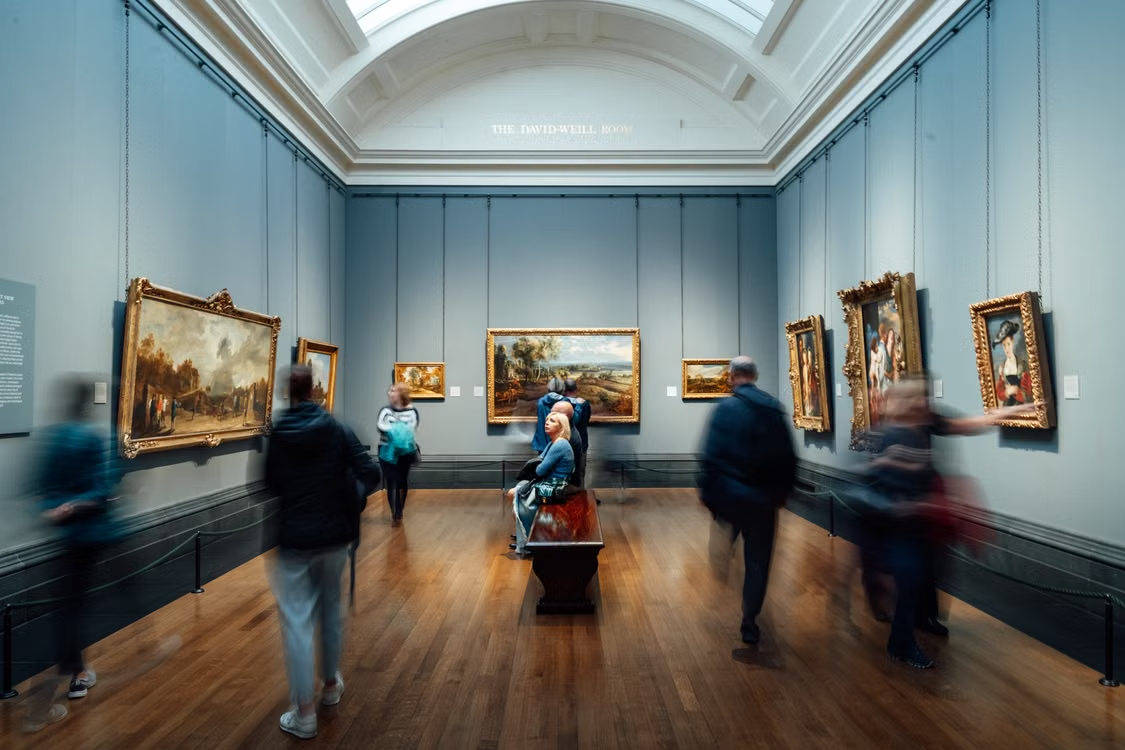
Collectors remove artwork from their collections for many reasons.
Sometimes their interests change over time. A collector who once focused on modern art may decide to build a collection of historical works instead.
In other cases, a collector may want to reduce the size of a collection to make it easier to manage.
Financial planning is another common reason. Selling one artwork may provide funds to purchase another piece that better fits the collection.
Before making any decision, many collectors choose to work with a Houston art consultant and appraiser. Professional advice can help collectors determine whether selling a piece is the right choice and what steps to take before putting it on the market.
How Deaccessioning Can Improve a Collection
Deaccessioning is not only about removing artwork. It can also make a collection stronger and more focused. Over time, collecting interests often change, and some pieces may no longer fit the collection’s overall direction. Selling those works can create space for new acquisitions that better reflect the collector’s goals.
A carefully planned collection is often easier to manage, display, and preserve. Instead of reducing its value, thoughtful deaccessioning can improve both the quality and purpose of a collection.
Start With an Accurate Valuation
One of the biggest mistakes collectors make is selling artwork without knowing its current value.
The art market changes over time. An artwork that was purchased years ago may be worth much more today. In other cases, market demand may have decreased.
Because of this, obtaining a current valuation is always a good first step.
A professional valuation considers factors such as:
- The artist
- The artwork’s condition
- Provenance
- Recent sales of similar works
- Current market demand
Getting a Fine art valuation in Houston, Texas, before selling artwork helps collectors make informed decisions and set realistic expectations.
Choosing the Right Time to Sell
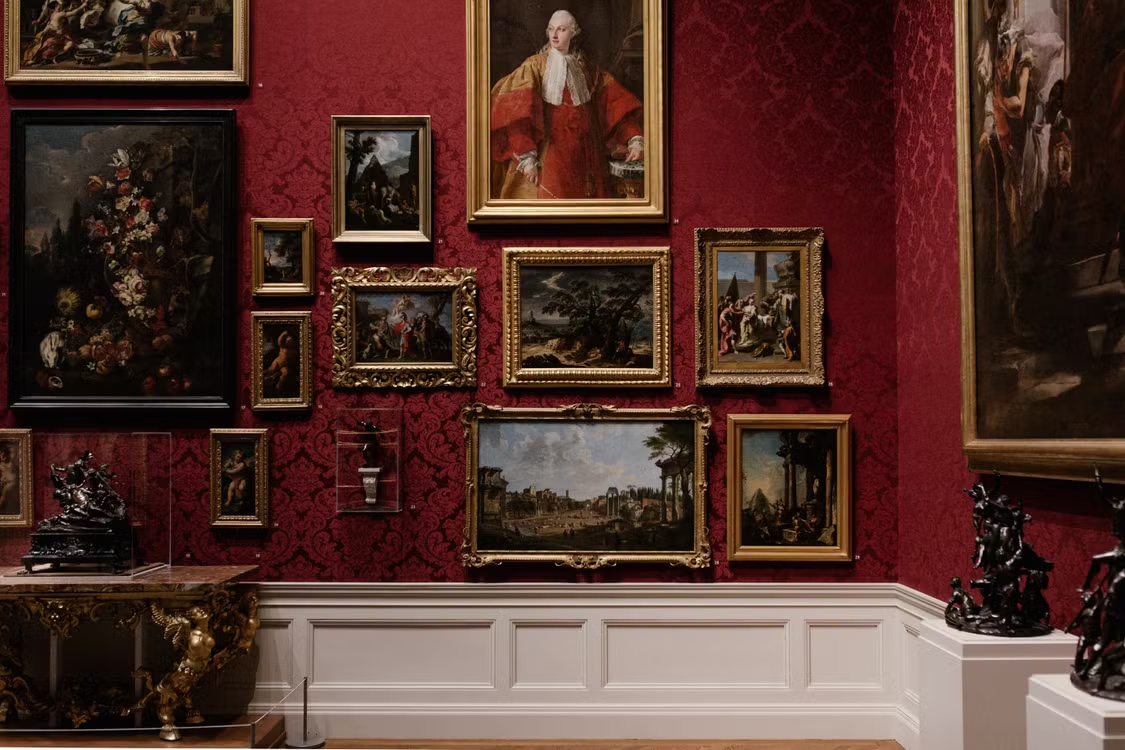
Timing can make a big difference when selling artwork. The value of art changes as the market changes. An artist may become more popular, a major exhibition may increase demand, or collectors may begin looking for a certain style of work.
Selling at the right time can help you get a better return. Selling too quickly, on the other hand, may mean accepting a lower price than the artwork is worth.
If you are not in a hurry, it is often worth waiting until market conditions are more favorable.
Different Ways to Sell Artwork
There is more than one way to sell fine art. The best option depends on the type of artwork, its value, and how quickly you want to sell it.
Some common options include:
- Auction houses
- Private sales
- Art galleries
- Art dealers
- Online art marketplaces
Each option has its own advantages. Auctions may attract competitive bidding, while private sales can offer greater privacy. Galleries and dealers often help connect sellers with interested buyers.
Before making a decision, it is important to understand the costs, fees, and timelines involved with each option.
Think Beyond the Selling Price
The highest offer is not always the best offer.
Collectors should also think about:
- Selling fees
- Taxes
- Transportation costs
- Insurance during shipping
- Restoration costs, if needed
Looking at the complete picture helps you understand how much you will actually receive after the sale.
Working with professionals who provide Fine art brokerage services in Houston can also help you compare selling options and choose the one that best fits your goals.
Ethical Considerations
Deaccessioning is not only about money. It should also be done responsibly.
Private collectors usually have more flexibility when selling artwork. However, museums, galleries, and cultural institutions often follow specific policies before removing artwork from their collections.
The American Alliance of Museums (AAM) encourages museums to follow established ethical standards and professional practices when making deaccessioning decisions to maintain public trust and ensure collections are managed responsibly.
For example, they may need approval from a board or follow professional guidelines before selling an artwork. These steps help protect public trust and preserve the integrity of the collection.
Even private collectors should take time to consider how selling an important piece may affect the overall value and direction of their collection.
Keep Your Collection Organized
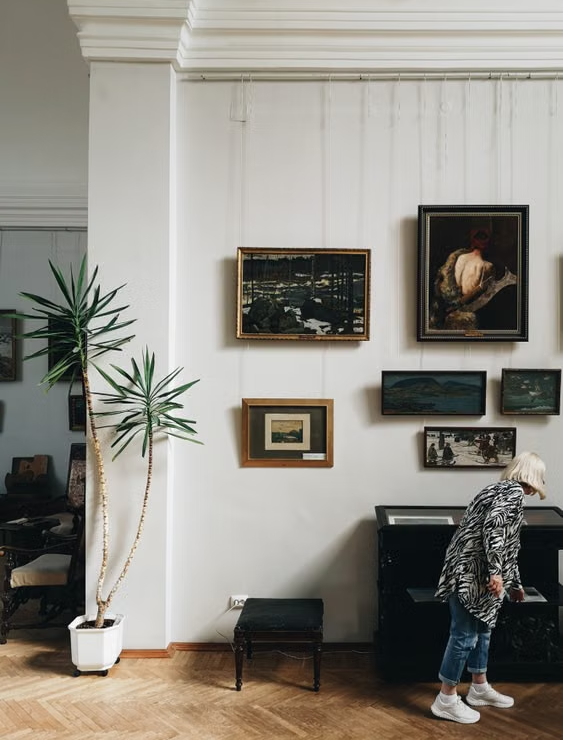
Good records are important before selling any artwork.
Collectors should keep documents such as:
- Purchase receipts
- Previous appraisal reports
- Provenance records
- Exhibition history
- Conservation or restoration records
Having complete records makes it easier to answer buyers’ questions and can increase confidence in the artwork.
As collections grow, art collection management services can help organize important documents, update records, and keep track of each artwork. This makes future sales much smoother while helping collectors stay organized.
Common Mistakes to Avoid
Deaccessioning should never be rushed. Making quick decisions can lead to lower selling prices or missed opportunities.
Some common mistakes include:
- Selling without getting a current valuation
- Choosing the first buyer without exploring other options
- Ignoring market trends
- Missing important paperwork
- Focusing only on price instead of the overall value of the sale
Taking time to plan can help you make a better decision and avoid unnecessary problems.
Why Independent Advice Matters
Selling artwork can be a complex process, especially if the piece has significant value.
An independent advisor can provide an unbiased opinion about your artwork’s value and help you understand your options. They can also recommend the best time to sell and guide you through the process from start to finish.
The Internal Revenue Service (IRS) also recognizes the importance of qualified appraisals when determining the fair market value of artwork for tax-related purposes.
Before selling artwork, many collectors rely on fair market value art appraisal services to determine its current market value.
Final Thoughts
Removing artwork from a collection is an important decision. Whether you are selling a single painting or several pieces, taking time to plan can help you achieve better results.
A thoughtful fine art deaccessioning strategy for collectors starts with understanding your goals, knowing the value of your artwork, and choosing the right method for selling. With careful planning and professional guidance, you can protect your collection while making informed decisions for the future.
Work with CHASE Art Advisory & Valuation
If you are considering selling or removing artwork from your collection, CHASE Art Advisory & Valuation can help. Their team provides professional valuation, brokerage, and advisory services for private collectors, museums, estates, and institutions.
From independent appraisals to strategic sales guidance, they help collectors make informed decisions while protecting the value of their collections. Contact CHASE Art Advisory & Valuation to learn more about their professional art advisory services and request a consultation.