
Buying fine art is exciting, but protecting it is just as important. Whether you own one painting or a large collection, your artwork can be damaged, stolen, or lost. If that happens, having the right insurance can save you from a major financial loss.
Many people think their homeowner’s insurance is enough to protect their artwork. In most cases, it is not. Fine art often needs its own insurance policy because it is more valuable than everyday household items.
This complete guide to fine art insurance and valuation explains how art insurance works, why appraisals are important, and how you can protect your collection.
Why Fine Art Insurance Is Important
Artwork is valuable in many ways. Some pieces have a high market value, while others have personal or historical importance. As time passes, many artworks also become more valuable.
Without the right insurance, you may not receive enough money to repair or replace your artwork if it is damaged or stolen.
That is why many collectors choose insurance made specifically for fine art. It helps protect your collection from unexpected events and gives you peace of mind.
Many collectors also work with a Houston art consultant & appraiser before buying insurance. A professional can help identify the value of each piece and make sure the collection is properly documented.
How Fine Art Insurance Works
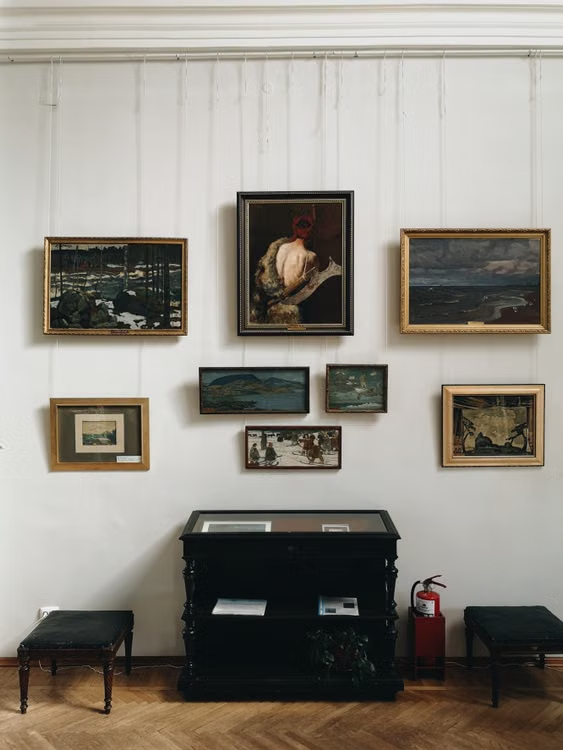
Fine art insurance is designed to protect valuable artwork. Depending on the policy, it may cover:
- Theft
- Fire
- Water damage
- Accidental damage
- Damage during shipping or moving
- Vandalism
Every policy is different, so it is important to understand exactly what is covered before choosing one.
Some policies only cover artwork inside your home. Others also protect it while it is being transported, displayed in an exhibition, or loaned to a museum.
Why an Appraisal Matters
Before an insurance company can insure your artwork, it needs to know how much it is worth.
This is where an appraisal comes in.
An appraisal considers factors such as the artist, the artwork’s condition, its history, and recent sales of similar pieces. This helps determine its current value. According to the Internal Revenue Service (IRS), qualified appraisals are used to determine the fair market value of artwork for tax-related purposes, making professional valuations an important part of proper documentation.
Before purchasing insurance, it is a good idea to use art appraisal services in Houston, TX, to determine your artwork’s current value.
Keep Your Valuation Up to Date

The value of artwork can change over time. An artist may become more popular, or the market may change. As a result, your collection may be worth much more than it was a few years ago.
That is why it is a good idea to update your appraisal regularly. This helps make sure your insurance still reflects the current value of your artwork.
Reviewing your collection every few years is a simple step that can make a big difference if you ever need to file an insurance claim.
Types of Fine Art Insurance
Not every art insurance policy offers the same protection. The right policy depends on the size of your collection, where your artwork is kept, and how often it is moved.
Here are some of the most common types of coverage.
Agreed Value Coverage
This is one of the most popular options for collectors.
Before the policy starts, you and the insurance company agree on the value of each artwork based on a professional appraisal. If the artwork is completely lost or cannot be repaired, the insurance company usually pays the agreed amount.
This type of policy gives collectors more confidence because they already know how much they will receive if something happens.
Market Value Coverage
Some insurance policies pay the artwork’s market value at the time of the loss.
This amount may be higher or lower than what you originally paid. Since the art market changes over time, the final payment can also change.
Because of this, keeping your appraisal up to date is important.
Scheduled Coverage
Collectors with valuable artwork often choose scheduled coverage.
Each piece is listed separately in the insurance policy along with its value. This makes it easier for the insurance company to understand exactly what is covered.
It also helps speed up the claims process if a loss occurs.
What Can Affect Your Insurance Coverage?
Insurance companies look at several factors before deciding on your coverage.
These include:
- The value of the artwork
- The condition of each piece
- Where the artwork is displayed
- How it is stored
- Whether it is moved often
- The security systems in your home or building
If your artwork is regularly shipped to galleries or exhibitions, you may need extra protection during transportation.
Why Professional Appraisals Are Important
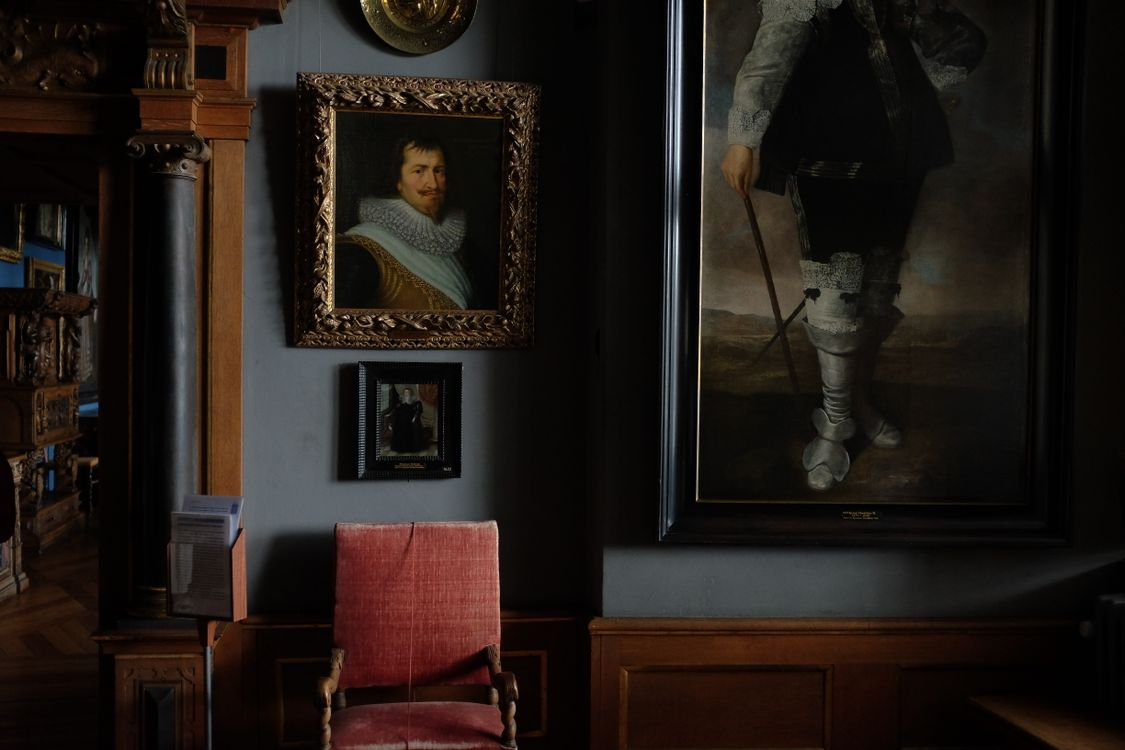
A professional appraisal is one of the most important parts of fine art insurance.
Insurance companies rely on appraisal reports to decide how much coverage to provide. If the value is too low, your artwork may not be fully protected. If the value is too high, you could end up paying more for insurance than necessary.
Many collectors choose a USPAP compliant art appraisal in Houston, TX, because it adheres to recognized professional standards. These reports are trusted by insurance companies and provide accurate information about the artwork’s value.
Protecting Your Collection Every Day
Insurance is important, but preventing damage is just as important.
Simple habits can help protect your artwork for many years.
Try to:
- Keep artwork away from direct sunlight.
- Avoid rooms with high humidity.
- Handle artwork carefully.
- Use secure hanging systems.
- Keep records and photographs of every piece.
- Store important documents in a safe place.
These small steps can reduce the risk of damage and make insurance claims much easier if something unexpected happens.
Art collection management services can help keep records up to date, organize important documents, and track changes in your collection’s value. This makes it easier to manage artwork as a collection grows.
Filing an Insurance Claim
If your artwork is damaged or stolen, having the right records can make the claims process much easier.
Most insurance companies will ask for:
- A recent appraisal
- Clear photographs of the artwork
- Purchase records, if available
- Provenance or ownership documents
- Any repair or conservation records
Keeping these documents organized before a problem happens can save both time and stress.
With fine art advisory in Houston, collectors can keep accurate records and manage their collections with greater confidence.
Common Mistakes to Avoid
Even experienced collectors can make mistakes when insuring artwork.
Some of the most common include:
- Relying only on homeowner’s insurance
- Using an old appraisal
- Forgetting to insure new purchases
- Not updating coverage as artwork increases in value
- Keeping poor records of the collection
Avoiding these mistakes can help make sure your artwork stays fully protected.
Final Thoughts
Fine art is more than something you hang on a wall. It can be a valuable investment, an important family asset, and part of your legacy. Taking the time to insure your collection properly helps protect everything you have worked hard to build.
As this complete guide to fine art insurance and valuation shows, protecting your collection starts with knowing its true value. A professional appraisal, the right insurance policy, and regular updates can help safeguard your artwork for years to come. Whether you own one painting or an entire collection, planning is always better than dealing with unexpected problems later.
Protect Your Collection with CHASE Art Advisory & Valuation
If you are looking for trusted guidance, CHASE Art Advisory & Valuation offers professional appraisal, advisory, and collection management services for collectors, institutions, and financial professionals. Their accredited team provides accurate valuations, strategic advice, and support for insurance, estate planning, acquisitions, and collection management.