
There are many reasons why you may need an art appraisal. You might be buying or selling artwork, updating your insurance, planning your estate, or donating a piece to a museum or charity.
Knowing what to expect from a professional art appraisal can make the process easier and help you prepare the right information before your appointment.
The First Meeting
Every appraisal starts with a conversation.
The appraiser will ask why you need the appraisal and how the report will be used. The purpose is important because different situations may require different types of valuations.
You may also be asked to provide documents, such as:
- Purchase receipts
- Previous appraisal reports
- Provenance records
- Restoration records, if available
These documents help the appraiser learn more about the artwork before examining it.
Looking at the Artwork
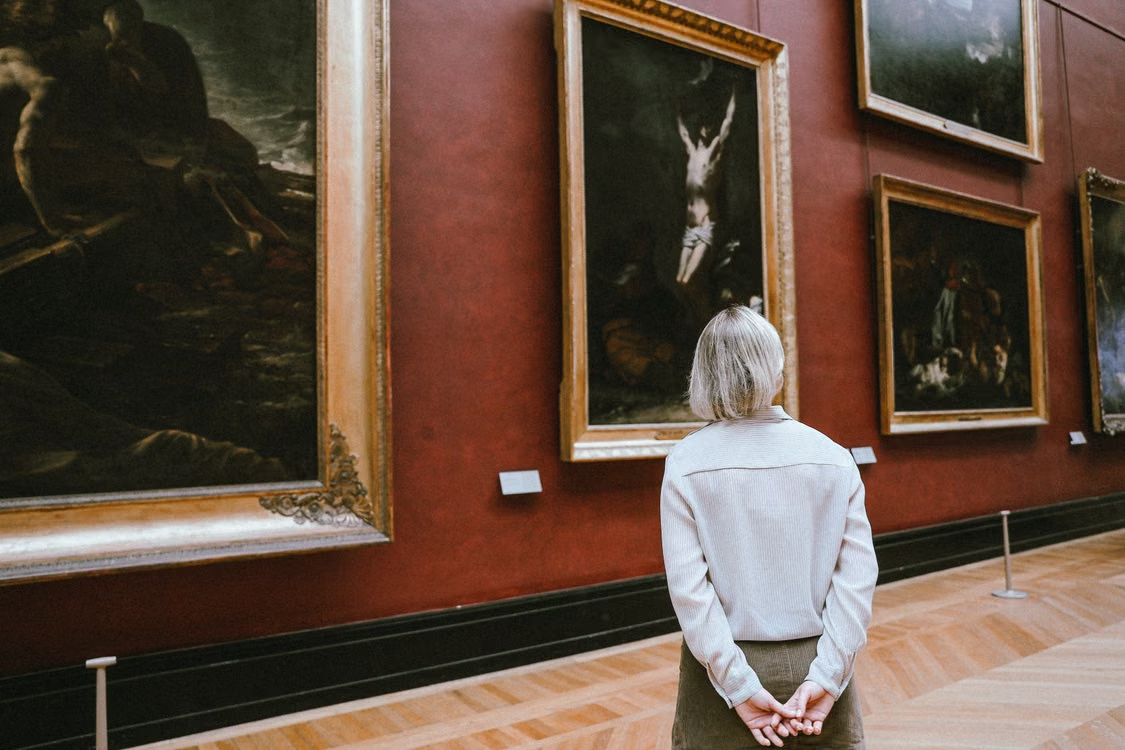
The next step is a careful inspection.
The appraiser will look at the artwork’s condition, size, materials, signature, and any signs of damage or repair. They may also take photographs to include in the report.
Working with an accredited art appraiser in Houston helps ensure the artwork is examined carefully and documented correctly.
Research Comes Next
After the inspection, the appraiser researches the artwork.
This may include reviewing recent sales, learning more about the artist, and comparing similar works that have sold in the market.
This research supports the final value with reliable information rather than personal opinion.
Your Appraisal Report
After the research is finished, the appraiser prepares a written report.
The report usually includes:
- A description of the artwork
- Photographs
- The purpose of the appraisal
- The valuation method
- The final appraised value
Many collectors request a USPAP compliant art appraisal in Houston, TX, because these reports adhere to recognized professional standards and are widely accepted by insurance companies, attorneys, and tax professionals.
After the Appraisal
Keep your appraisal report in a safe place.
You may need it later when updating your insurance, settling an estate, donating artwork, or selling part of your collection.
If the value of your artwork changes over time, it is a good idea to update the appraisal to keep your records current.
Planning Beyond the Appraisal
An appraisal indicates what a piece is worth today, but it is only one part of managing a collection.
Collectors also use a fine art advisory in Houston to plan future purchases, organize their collections, or decide when it may be the right time to sell or donate artwork.
Final Thoughts
Understanding what to expect from a professional art appraisal helps you prepare for each step of the process. From the first meeting to the final report, every stage is designed to deliver a well-supported valuation grounded in research and professional standards.
Schedule an Appraisal with CHASE Art Advisory & Valuation
Whether you need an appraisal for insurance, estate planning, a charitable donation, or a future sale, CHASE Art Advisory & Valuation provides trusted appraisal and advisory services for collectors, families, museums, and institutions. Their experienced team prepares detailed reports and offers professional guidance to help you make informed decisions about your artwork. Contact CHASE Art Advisory & Valuation today to schedule your appraisal.