
Private art collections are often built over time, reflecting personal taste, opportunity, and market access. However, not all collections are created equal in terms of long-term value. While individual artworks may hold significance on their own, a thoughtfully curated collection can carry a higher combined value due to cohesion, narrative strength, and market positioning.
This is where private art collection curation becomes an important strategic tool. Rather than viewing a collection as a group of separate assets, curation allows collectors to shape a unified vision that enhances both cultural relevance and financial performance.
From Accumulation to Intentional Collection Building
Many private collections begin organically, with acquisitions driven by personal interest or availability. Over time, however, collections that lack direction can become fragmented, with no clear thematic, historical, or stylistic connection between works.
Intentional curation shifts this approach from accumulation to strategy. It involves making acquisition decisions based on:
- Artistic theme or movement
- Historical or cultural relevance
- Medium or material consistency
- Artist relationships or trajectory
- Long-term market positioning
A curated collection tells a story. That narrative adds value beyond individual artworks by creating intellectual and cultural coherence.
Why Cohesion Increases Collection Value
A cohesive collection is often more valuable than the sum of its parts. This is because collectors, institutions, and secondary markets respond strongly to narrative clarity and curatorial intent.
Cohesion can increase value through:
Stronger Market Identity
Collections with a defined focus—such as contemporary African American art, modern abstraction, or regional photography—are easier to position in the market and often attract stronger buyer interest.
Institutional Appeal
Museums and universities are more likely to exhibit or acquire collections that demonstrate curatorial clarity and cultural relevance.
Improved Provenance Narrative
A well-curated collection often has stronger documentation and ownership history, which enhances credibility during valuation.
Enhanced Resale Strategy
Curated groups of works may perform better in auctions or private sales when presented as a unified collection rather than individual pieces.
The Role of Strategic Acquisition Planning
Effective private art collection curation is not only about existing works—it also involves planning future acquisitions. Strategic planning helps collectors avoid fragmented growth and instead build toward a defined vision.
Key considerations include:
- Identifying gaps in the collection narrative
- Avoiding overrepresentation of a single artist or style
- Tracking emerging artists aligned with collection goals
- Balancing investment-grade and personal-interest acquisitions
- Considering long-term liquidity and market demand
This approach ensures that each new acquisition strengthens the overall collection rather than diluting its focus.
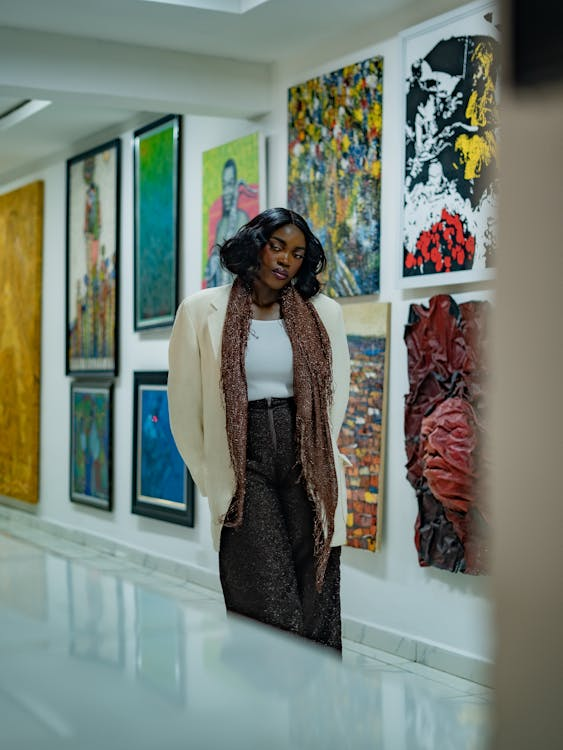
How Curation Impacts Valuation
Curation does not replace traditional fine art valuation, but it can influence it. Appraisers often consider collection context when evaluating market positioning, especially for insurance, estate planning, or institutional reporting.
A curated collection may demonstrate:
- Higher perceived market sophistication
- Stronger provenance continuity
- Better documentation consistency
- Increased institutional relevance
These factors can indirectly support valuation outcomes, particularly when collections are reviewed as a whole rather than as isolated works.
For appraisal services for high-value art collections, understanding collection structure can be just as important as evaluating individual artworks.
How Chase Art Advisory Supports Private Collections
Chase Art Advisory works with collectors seeking to build and refine cohesive private collections through structured advisory and valuation support.
Our services include art appraisal services in Houston, TX, designed to provide accurate valuation aligned with market conditions and collection structure. We also offer fine art advisory services that help collectors shape acquisition strategies and long-term collection direction.
With professional advisory support and consistent valuation practices, private art collection curation becomes a powerful tool for enhancing both legacy and long-term value.